Recent comments in /f/DIY
ChiefInspector69 t1_j6kb175 wrote
Reply to Shower Surround Pulling Away From Wall by [deleted]
Yeah I'm home and 4 trade residential and commercial building inspector. Here in Florida houses are built on slabs which essentially means your plumbing is buried under that. Even if the plumber slopes the pipes correctly the concrete people many times Disturbed the pipes so you don't even get proper flow from the beginning. Wood was a much better quality years ago now it is very weak. The wind and seismic provisions in houses are much much better than the past. But here shingles only laugh seven or eight years and HVAC heat pumps only last from 5 to 12 years. Stucco is a massive problem because it is not applied correctly per ASTM standards and even if it was stucco on wood frame is a bad idea.
PrettyNothing8962 t1_j6kaxt7 wrote
All of the weight of the microwave is on the 2 lag bolts in the top holding it to the upper cabinet. Having the bottom bracket only hit 1 stud is fine so long as the upper cabinet is secured into studs and sturdy
Hagenaar t1_j6kasq0 wrote
Reply to comment by pilotdog68 in How do I prevent condensation on the windows from causing water to accumulate on the windowsill? by teddythepooh99
We're talking about different products I just realized.
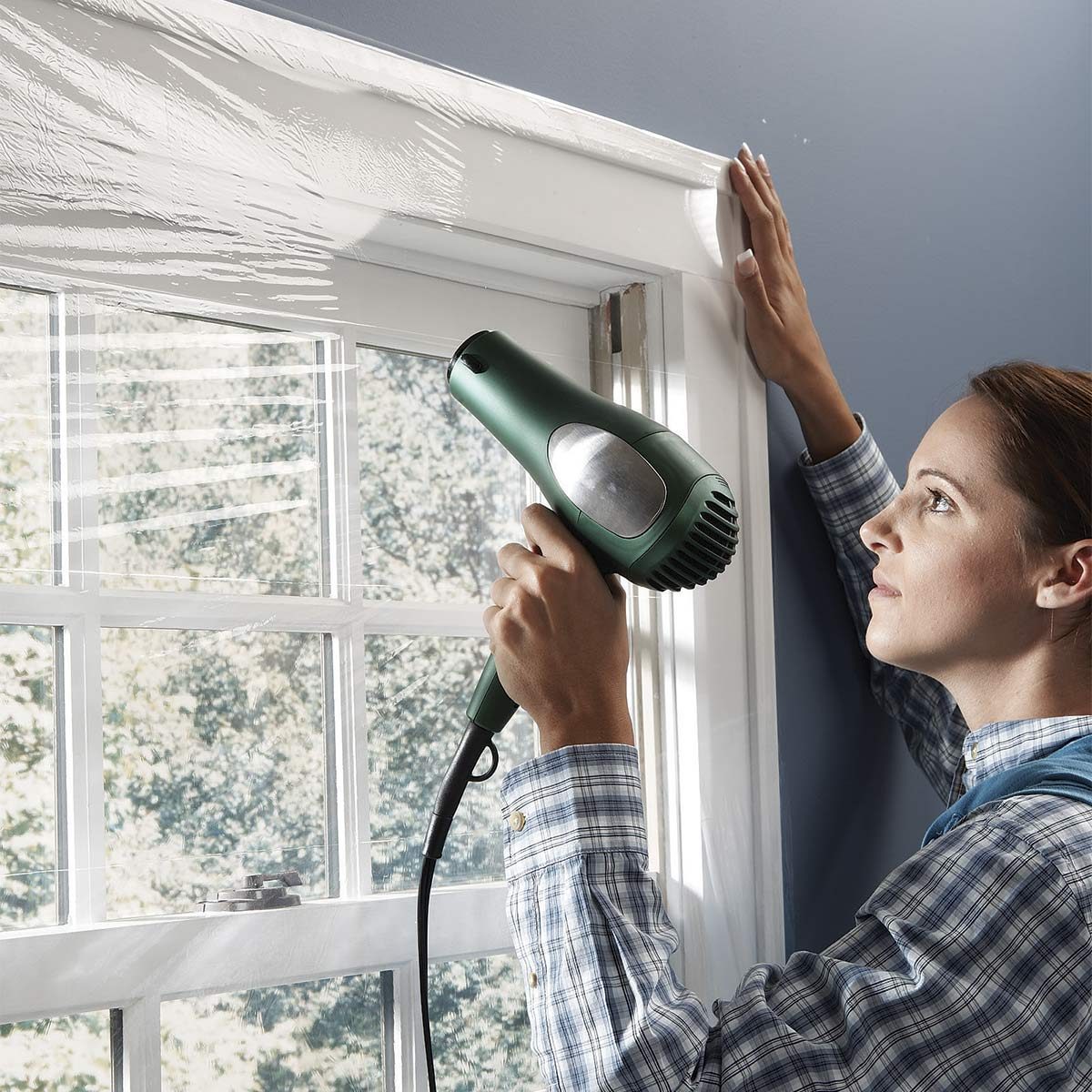
Consumer install window film is stuck on with two sided tape to the inside of the frame. This creates a gap from the windows which are recessed from the plane of the wall surface. You put the plastic over the window trim like so.
deepseascale t1_j6kar3y wrote
Reply to comment by jakedublin in How do I prevent condensation on the windows from causing water to accumulate on the windowsill? by teddythepooh99
+1 for the karcher window vac. I'm in a studio in the UK with shite single glazed windows and it's been a life saver.
Guygan t1_j6kaf27 wrote
Reply to comment by erleichda29 in How do I prevent condensation on the windows from causing water to accumulate on the windowsill? by teddythepooh99
I'll ask you the same question. You just commented, so....
Guygan t1_j6kab5v wrote
Reply to comment by MikeW86 in How do I prevent condensation on the windows from causing water to accumulate on the windowsill? by teddythepooh99
I said the "Toxic mold" hysteria is baseless. I didn't say people can't be allergic to it. I am allergic to it.
erleichda29 t1_j6ka3bs wrote
Reply to comment by Guygan in How do I prevent condensation on the windows from causing water to accumulate on the windowsill? by teddythepooh99
So who are you arguing with then?
Guygan t1_j6ka1ne wrote
Reply to comment by MikeW86 in How do I prevent condensation on the windows from causing water to accumulate on the windowsill? by teddythepooh99
Probably both.
You trust a UK coroner over the US CDC?
downwiththemike t1_j6k9xsd wrote
Reply to How do I prevent condensation on the windows from causing water to accumulate on the windowsill? by teddythepooh99
Turn your heat up
teuchuno t1_j6k9x4s wrote
Reply to comment by guy_guyerson in How do I prevent condensation on the windows from causing water to accumulate on the windowsill? by teddythepooh99
Aye, every morning I go round, open all the curtains and the windows, then close the windows half an hour or so later - no problems. If it's really cold I just mop the condensation off with a cloth (but still open the windows).
Admittedly this is North Wales so not as cold as Chicago, but our houses in the UK are so old and shite that it's still necessary.
erleichda29 t1_j6k9w57 wrote
Reply to comment by Guygan in How do I prevent condensation on the windows from causing water to accumulate on the windowsill? by teddythepooh99
I NEVER ONCE USED THE TERM "TOXIC MOLD". Read user names.
zayzay_919 t1_j6k9k4c wrote
Reply to comment by CephasPetraPeter in Any way to use a 12mm shank drill bit in a drill chuck that only accepts up to 10mm? by CephasPetraPeter
if you're going this route, go slow with it. once you get the bit overheated, it's done. and it will overheat very quickly.
Thud2 t1_j6k9jp0 wrote
pilotdog68 t1_j6k9agn wrote
Reply to comment by Hagenaar in How do I prevent condensation on the windows from causing water to accumulate on the windowsill? by teddythepooh99
But that is only if you don't shrink it tight. If you do, the plastic is in contact with window, no air gap right?
So you would want to shrink it some but not all the way, and preferably seal it with dry air inside or else you'll just get condensation inside the plastic.
MikeW86 t1_j6k97uw wrote
Reply to comment by Guygan in How do I prevent condensation on the windows from causing water to accumulate on the windowsill? by teddythepooh99
Either the guardian is reporting falsehoods or the coroner is wrong, which is it?
Chrgrfan55 t1_j6k96c5 wrote
Reply to How do I prevent condensation on the windows from causing water to accumulate on the windowsill? by teddythepooh99
Get better windows
Chrgrfan55 t1_j6k8zgj wrote
Home inspectors are idiots with zero trade experience.
MikeW86 t1_j6k8rfg wrote
Reply to comment by Guygan in How do I prevent condensation on the windows from causing water to accumulate on the windowsill? by teddythepooh99
Show me something from the CDC that says mould isn't dangerous then.
Guygan t1_j6k89ov wrote
Reply to comment by MikeW86 in How do I prevent condensation on the windows from causing water to accumulate on the windowsill? by teddythepooh99
Take up your argument with the US CDC and their many scientists and doctors. I trust the CDC over The Guardian. Thanks.
BdaBng t1_j6k80jh wrote
Reply to comment by sir_smokee in Food truck plumbing troubles by sir_smokee
If they are clogged you might need a sediment filter/screen on the incoming water line or after the pump.
MikeW86 t1_j6k7z6x wrote
Reply to comment by Guygan in How do I prevent condensation on the windows from causing water to accumulate on the windowsill? by teddythepooh99
>The whole "EHRMEGERD TOXIC MOLD!" is nonsense.
Would you like to tell Awaab Ishak that he isn't actually dead then
Guygan t1_j6k7z2w wrote
Reply to comment by DiggSucksNow in How do I prevent condensation on the windows from causing water to accumulate on the windowsill? by teddythepooh99
And none of them are “toxin” related.
joe32288 t1_j6k7w76 wrote
Reply to How do I prevent condensation on the windows from causing water to accumulate on the windowsill? by teddythepooh99
Hmmm, wonder what OP was doing to generate that much moisture...
LukeTheApostate t1_j6k7vpn wrote
Reply to How do I prevent condensation on the windows from causing water to accumulate on the windowsill? by teddythepooh99
I've had a similar problem in an even colder environment, and other people in my building have had mold problems from it.
So, first thing; many single family homes or row houses will have forced-air heating systems that constantly circulate air. Those will have dehumidifiers on them. When I moved to my building, it was the first radiator-heated place I'd lived in. Radiator heating turns the unit into a sort of sealed box as far as humidity goes. There's a handful of techniques to dealing with this, and many of them didn't occur to me when I first moved into a place that needed them from the combination of uncirculated air and low temperatures.
As others have suggested, a film creating a barrier between (humid) air and the cold window will both prevent condensation build up and significantly improve your heat retention. Most buildings that aren't single family homes (and many that are) have shit-tier windows that leak heat badly and make condensation and heating problems much worse than they have to be.
Managing humidity can help, but not fix the problem. Keeping your bathroom door closed and fan on when you're showering or bathing will cut down on the added humidity. When you're boiling water for food or releasing pressure in a pressure pot, you'll also be getting humidity; opening a window for a few minutes can help vent it.
In my experience, the best way to both prevent condensation and remove any that's built up or frozen is just to point a fan at your window. A dehumidifier can keep your unit drier, but I don't think it'll remove window condensation entirely. On the other hand, just keeping the windows clean doesn't mean you've got the humidity low enough to prevent mold. But, as far as keeping the windows dry, a couple of $10 fans should solve your problems.
ChiefInspector69 t1_j6kbkv9 wrote
Reply to Shower Surround Pulling Away From Wall by [deleted]
Also when I was in Canada on both coasts I never really looked at the new construction but I assume it's 2x6 construction with r13 in the walls and maybe r45 in the attic .You don't have the mold and moisture problems we have here which is almost tropical. Anything wood rots here. But it was 84° here today Fahrenheit